In a decisive move to protect the integrity of the U.S. electoral process, the Department of the Treasury’s Office of Foreign Assets Control (OFAC) has sanctioned entities linked to Iran and Russia that have attempted to undermine the 2024 U.S. election. This action, announced on December 31, 2024, highlights ongoing international efforts to influence American democratic institutions through disinformation and cyber operations.
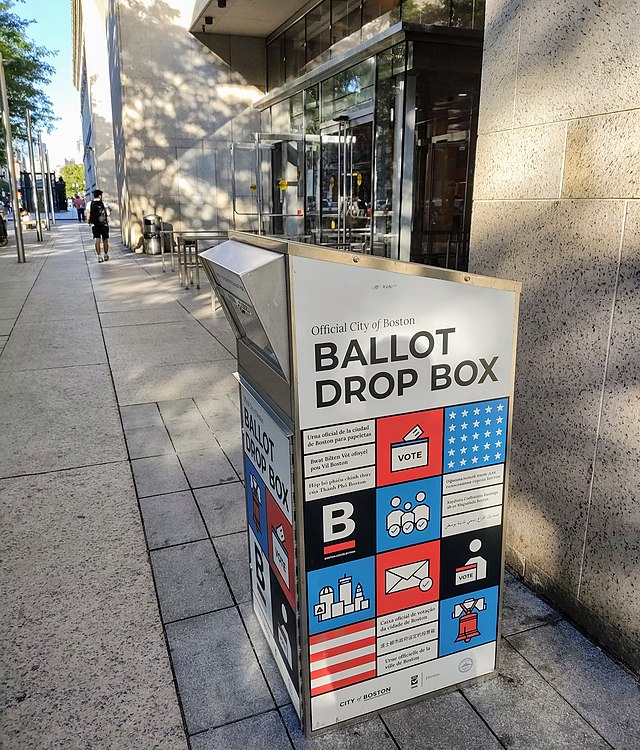
Key Actions Against Election Interference
The sanctions target a subordinate organization of Iran’s Islamic Revolutionary Guard Corps (IRGC) and an affiliate of the Russian Main Intelligence Directorate (GRU). These entities have been implicated in efforts to sow discord among the American electorate, aiming to manipulate public sentiment leading up to the elections. The U.S. government views these actions as serious threats to national security and democratic integrity.
Acting Under Secretary of the Treasury for Terrorism and Financial Intelligence, Bradley T. Smith, emphasized the importance of vigilance against foreign adversaries attempting to disrupt U.S. democracy. The sanctions are a continuation of prior measures against the IRGC and GRU, reinforcing the U.S. commitment to countering foreign interference.
Iran’s Disinformation Campaigns
Amid growing concerns, it was reported that Iran had been actively working to undermine confidence in U.S. democratic institutions. In 2024, Iranian operatives employed social engineering tactics to infiltrate campaign networks and access sensitive information. This was not an isolated incident; the OFAC previously sanctioned an Iranian national who had compromised the accounts of officials associated with a presidential campaign.
The Cognitive Design Production Center (CDPC), a subsidiary of the IRGC, has also been designated for its role in influence operations aimed at inciting socio-political tensions in the U.S. These efforts have been ongoing since at least 2023, demonstrating a long-term strategy to manipulate voter perceptions.
Russian Interference Techniques
Russia’s approach to election interference has become increasingly sophisticated. The Kremlin employs a range of covert operations, utilizing fake online personas and proxy websites to disseminate disinformation while obscuring its involvement. The sanctions target the Center for Geopolitical Expertise (CGE), which has been linked to the GRU and has utilized generative AI tools to create deepfakes and misinformation about U.S. electoral candidates.
CGE’s operations are designed to create a false narrative around candidates, thereby influencing public opinion and electoral outcomes. This organization has been pivotal in orchestrating disinformation campaigns, underlining the necessity of countering such tactics to safeguard U.S. democracy.
Sanctions and Their Implications
The sanctions imposed by OFAC effectively block all property and interests of the designated entities within the U.S. These measures are intended to prevent further interference in the electoral process and reinforce the legal framework against foreign influence. Financial institutions and individuals engaging with these sanctioned entities face significant consequences, reinforcing the gravity of adherence to these regulations.
Non-U.S. persons are also subject to sanctions if they facilitate violations, emphasizing the broad reach of U.S. laws in curtailing foreign interference. The OFAC sanctions serve not only as punitive measures but also aim to induce a change in behavior among the sanctioned entities.
Conclusion
The U.S. Treasury’s recent sanctions against Iranian and Russian entities signify a robust response to the ongoing threat of election interference. By targeting organizations that employ disinformation campaigns and cyber operations, the U.S. government reaffirms its commitment to protecting democratic processes. As the 2024 election approaches, vigilance and proactive measures against foreign influence remain paramount to uphold the integrity of the electoral system.
In an era where information warfare can significantly affect public sentiment, it is crucial for citizens to remain informed and critical of the sources of their information. The actions taken by the Treasury Department serve as a reminder of the importance of safeguarding democracy against external threats.
Source: https://home.treasury.gov/news/press-releases/jy2766
 The Liberal Lens: Finding Life in the Moment
Leave a comment